
How Regular Truck Engine Repairs Keep Your Fleet Running Smoothly
Maintaining a commercial fleet is one of the most critical aspects of ensuring business reliability and long-term operational success. For transportation and logistics companies, a single truck breakdown can translate directly into lost revenue, missed deadlines, and reduced customer trust. Fleet managers understand that preventative care and timely engine restoration are far more cost-effective than emergency overhauls. At the heart of every successful maintenance program is one essential focus—truck engines.
Regular truck engine repairs and professional rebuilds not only extend vehicle lifespan but also improve safety, fuel efficiency, and environmental compliance. When performed consistently, these services allow companies to protect their investments, optimize performance, and maintain dependable delivery schedules.
Maximizing Engine Performance and Longevity
Truck engines endure tremendous stress from long hauls, heavy loads, and fluctuating temperatures. Over time, this wear can lead to piston scoring, valve leaks, or cracked heads—issues that, if ignored, can result in costly engine failure. Regular truck engine repairs, combined with professional restoration, ensure that every component functions efficiently and reliably.
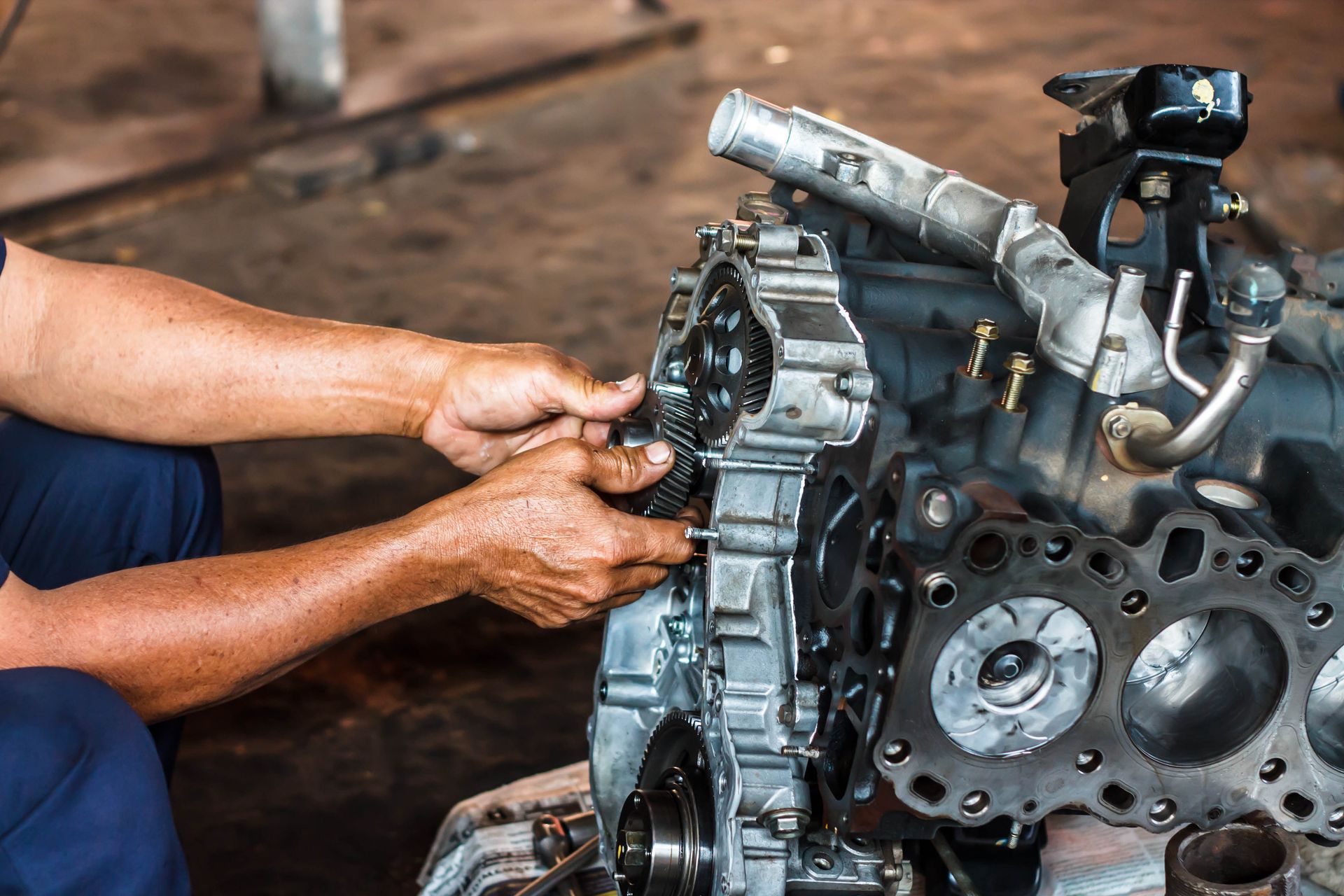
Services such as crankshaft regrinding, cylinder reboring, and head resurfacing restore engines to their original operating condition. These precision processes correct problems like compression loss, uneven wear, and lubrication failure that can hinder performance. A well-calibrated engine runs cleaner, maintains temperature balance, and delivers consistent power output across long distances.
Routine inspections and scheduled servicing can also reveal subtle issues that drivers might overlook. Oil analysis, pressure testing, and valve adjustment help identify early signs of inefficiency or wear before they escalate into major problems. Investing in consistent maintenance keeps engines running longer, prevents mechanical strain, and improves the overall durability of the fleet.
Over time, this attention to detail contributes to smoother operations and better return on investment. Companies that prioritize proactive care spend less on emergency repairs, experience fewer breakdowns, and maintain a higher resale value for their trucks.
Enhancing Fleet Safety and Environmental Compliance
Engine performance directly affects safety on the road. A malfunctioning engine can impact braking systems, torque distribution, and steering response, putting both drivers and other motorists at risk. Regular truck engine repairs and rebuilds maintain reliability under heavy loads and ensure engines operate at consistent power levels, reducing the chance of mechanical failure during long hauls.
Technicians who specialize in diesel head repair and counterbore services play a crucial role in preserving alignment, sealing integrity, and cylinder balance. This attention to mechanical precision prevents performance loss and enhances safety through dependable engine response.
According to TruckInfo.net, roughly 1.86 million companies operate semi-trucks, straight trucks, or other hazardous materials vehicles. Given the scale of this industry, proper maintenance and regular inspections are essential for keeping fleets safe, efficient, and compliant with environmental standards. These practices help companies meet emissions regulations while reducing the risk of penalties.
Engines that undergo consistent service emit fewer pollutants and operate more efficiently. Clean combustion not only helps the environment but also lowers fuel consumption, creating long-term savings for fleet operators. By staying proactive about truck engine repairs, companies uphold both safety and environmental responsibility.
Reducing Downtime and Operating Costs
Unplanned downtime is one of the most significant challenges in the trucking industry. Each hour a vehicle is out of service can disrupt logistics, affect scheduling, and increase operational expenses. Regular truck engine repairs drastically minimize the chances of unexpected breakdowns by catching early signs of internal wear.
Comprehensive rebuild services—such as crankshaft reconditioning, cylinder honing, and head resurfacing—restore performance without requiring a full engine replacement. These detailed processes address structural fatigue and component misalignment, improving long-term engine integrity.
Predictive diagnostics are another vital part of modern fleet maintenance. Monitoring systems can track performance indicators such as oil pressure, exhaust temperature, and vibration frequency. When these metrics deviate from normal ranges, they signal the need for immediate inspection or repair. This data-driven approach prevents small defects from escalating and allows maintenance teams to schedule repairs around delivery commitments.
In addition to preventing breakdowns, regular truck engine repairs also support better cost management. Engines that operate efficiently require fewer parts over time and use less fuel to generate power. Fleet managers can then allocate more resources toward route optimization, driver support, and future vehicle investment rather than constant mechanical emergencies.
Supporting Sustainability and Fuel Efficiency
Environmental regulations continue to shape the trucking industry, making efficient engine performance a necessity. Older or neglected engines release more carbon monoxide, nitrogen oxides, and particulate matter—pollutants that contribute to air quality concerns and regulatory fines. Consistent truck engine repairs ensure cleaner operation by restoring combustion balance and improving fuel-to-air ratios.
Processes like head resurfacing, cylinder reboring, and crankshaft regrinding help correct internal friction that wastes energy. Engines with properly balanced components burn fuel more completely, producing fewer emissions and maximizing energy output. These enhancements directly support sustainability goals while improving fuel economy across the fleet.
Long-term environmental responsibility also benefits a company’s reputation. Businesses that maintain efficient fleets demonstrate accountability and earn the trust of partners who value clean operations. Beyond regulatory compliance, cleaner engines also reduce maintenance frequency, oil consumption, and filter replacement—each contributing to a lower overall environmental footprint.
Building Trust, Reliability, and Long-Term Value
Reliability defines success in the transportation sector. Clients depend on consistent, on-time deliveries, and even minor mechanical issues can disrupt that trust. Regular truck engine repairs and rebuilds are essential in maintaining that reliability. Engines that operate smoothly under heavy loads give drivers confidence on long routes and prevent costly roadside incidents.
Fleet managers benefit from detailed maintenance records documenting each rebuild, inspection, and component replacement. These records provide valuable data for planning, warranty validation, and compliance audits. They also offer insight into performance patterns that inform future purchasing and maintenance decisions.
Engines rebuilt through skilled machining last significantly longer than those that receive minimal upkeep. Each precise adjustment—from valve alignment to head resurfacing—contributes to reduced stress on the engine block and extended service intervals. Consistent attention to these details builds trust among drivers, clients, and internal maintenance teams alike.
Reliable trucks also represent a strong brand reputation. A company known for dependable deliveries and safe operations gains repeat customers and long-term partnerships. Prioritizing consistent maintenance is not just about mechanical performance; it is a visible sign of professionalism and commitment to quality service.
Keeping Fleets Running Smoothly for the Long Haul
In the fast-paced world of commercial transportation, reliability is a competitive advantage. Regular truck engine repairs are more than a maintenance routine—they are a strategic investment in performance, safety, and operational longevity. A well-maintained engine not only supports consistent delivery schedules but also protects drivers from the stress of unexpected breakdowns. For businesses that rely on tight deadlines and long-distance routes, this level of dependability is essential to maintaining profitability.
From crankshaft regrinding and diesel head repair to cylinder reboring and full engine rebuilds, every service contributes to stronger, cleaner, and more efficient engines. These procedures help restore lost power, correct compression issues, and balance internal components to ensure smooth operation. Companies that commit to regular maintenance save money, extend vehicle lifespan, and strengthen their reputation for reliability in a competitive market where mechanical performance reflects brand quality.
By combining precision machining with proactive inspection, fleet operators can reduce downtime, optimize efficiency, and maintain smoother operations year-round. Investing in consistent care ensures that trucks deliver peak performance mile after mile. In an industry where every mile counts, routine service and restoration keep engines dependable, efficient, and ready for the demands of daily operation. Call Advantage Engine Restoration today to schedule your expert repair or restoration services.



Share On: